Generative AI sparks a gameslop backlash in 2026
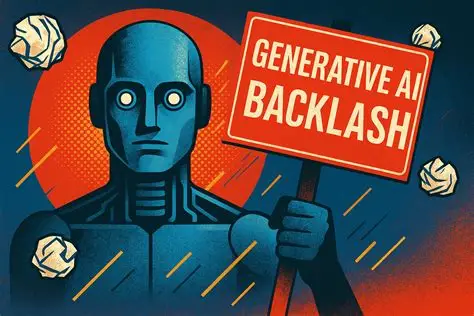
Generative AI has split the video game world down the middle. Studios are quietly using it to build worlds faster and cheaper, while players and developers are pushing back harder than anyone expected. The flashpoint is a new insult, “gameslop,” aimed at titles stuffed with machine-made art and dialogue. In 2026 the fight over what belongs in a game, and who should make it, has become the loudest argument in the industry. It is also colliding with a hardware crunch some call RAMaggedon, as AI data centers swallow the memory that consoles and gaming PCs rely on. Here is what is actually happening, and why it matters.
How generative AI took over game development
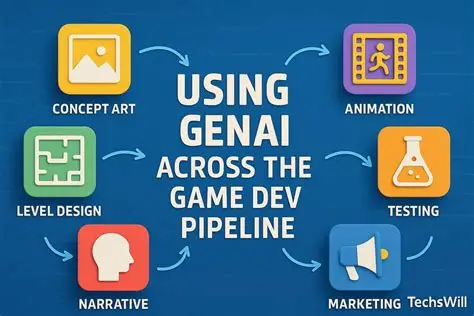
A few years ago, generative AI in games was a curiosity shown off at trade booths. Now it sits inside the production pipeline at studios of every size. The shift happened fast and mostly out of sight, which is part of why the reaction has been so sharp. Players did not vote on it, and many developers did not ask for it. They woke up to find it already shaping the games they make and play. Today generative AI touches everything from concept art and texture work to code assistants that suggest fixes line by line.
What studios actually use it for
Most real-world use is unglamorous. Teams lean on these tools for the grind work: generating temporary art to test a level, spitting out dozens of dialogue variations, prototyping ideas, and running quick checks that once ate weeks. Ubisoft’s Ghostwriter, for example, drafts large volumes of incidental background chatter that human writers then pick through, rewrite, and direct. Smaller teams feel the pull hardest, since the technology lets them attempt ambitious ideas without a huge crew or months of crunch. Used this way, it speeds up the boring parts and leaves the creative decisions with people.
The numbers behind the boom
Adoption is already broad. The BCG 2026 gaming report found that half of all game studios now use AI somewhere in development. A Google Cloud and Harris Poll survey put workflow integration even higher, at roughly 90% of developers. Yet the GDC State of the Game Industry survey of more than 2,300 professionals found only 36% personally use generative AI tools day to day, with ChatGPT leading at 74%, Gemini at 37%, and Copilot at 22%. That gap, broad integration but lighter hands-on use, shows a technology baked into pipelines even when individual developers never touch it.
The rise of gameslop
Then came the slop. More than 7,000 Steam titles disclosed some AI use in 2025, roughly a third of everything released on the platform that year. A large share were what critics started calling gameslop: low-effort games assembled mostly from machine-generated assets with little human curation or design. The result was surface-level content produced at speed, and players noticed immediately. Negative reviews piled up, storefront curators applied pressure, and calls for stricter disclosure grew louder. The lesson studios drew was blunt. Generative AI without skilled human direction tends to produce mediocrity at scale. Valve now asks developers to disclose how they use generative AI on a game’s Steam page, a rule that turned quiet experimentation into public record.
The dividing line in 2026 is not whether a studio uses these tools, but whether a human stays in charge of the result. Amplify a talented team and you get ambition. Replace it and you get slop.
Why players and developers are fighting back
The backlash has been loud, organized, and surprisingly effective. Gamers have developed a sharp eye for machine-made art, and they punish what they find. Several studios have walked back AI features or issued public apologies after release, something almost unheard of for a cost-saving tool. The anger runs along two tracks: distrust of the output, and fear about the people it displaces. What makes this wave different is that the criticism comes from inside the industry as much as from the audience. Artists, writers, and voice actors who once stayed quiet are now naming the games that used their likeness or labor without clear consent.
The flashpoints that went public
The fights have been very visible. The acclaimed role-playing hit Clair Obscur: Expedition 33 was disqualified from an indie awards show over its use of generative AI. The 2025 shooter Arc Raiders launched with AI voices, then quietly replaced many of them with human performers after complaints. Nvidia’s DLSS 5 reveal showed an AI filter that gave characters a “yassified” mobile-game makeover, drawing instant ridicule and concern that it rewrote artists’ work without consent. When the game Neverness to Everness faced accusations, its studio promised to review in-game assets and insisted the core work stayed human. The pattern repeated through the spring of 2026, with each leak met by an apology, an audit, or a quiet rollback.
The human cost inside studios
Developers themselves are wary. In the GDC survey, 52% said generative AI was having a negative effect on the industry, nearly double the share from a year earlier, while only 7% called it positive. The deeper worry is structural. As GamesRadar documented across interviews with more than 30 developers, veterans like David Gaider and Rami Ismail warn of a collapse in junior pipelines. If entry-level tasks vanish into automation, studios lose the path that trains the next generation, all while the industry already bleeds senior talent through repeated layoffs.
There is a legal shadow too. David Gaider, the former Dragon Age narrative lead, objects that many models were trained on artists’ work without consent, and notes that games have been pulled from sale over smaller copyright lapses than the ones generative AI may invite. For studios weighing speed against risk, that uncertainty is reason enough to keep humans firmly in the loop.
The case for the technology
Not everyone sees doom. Plenty of executives, and some developers, argue the panic is overblown. Tim Sweeney, the chief executive of Epic Games, frames generative AI as a way to empower human creators rather than replace them, and calls that a good thing. Bethesda’s Todd Howard describes it as a potentially useful tool. Moritz Baier-Lentz, who leads gaming at Lightspeed Venture Partners, has gone further, calling it sad that an industry built on pushing technology forward would demonize a marvelous new tool. The pragmatic middle, echoed at GDC by engineers who tested the tools, is that coding assistants accelerate skilled work but still need heavy oversight, since one accepted bad suggestion can spawn ten new bugs.
The tools are neither savior nor villain. They are an accelerator, and what they speed up depends entirely on who is steering and whether anyone is checking the work.
Frequently Asked Questions
What is generative AI in video games?
Generative AI refers to tools that produce content such as art, dialogue, code, or voices from text prompts. In games, studios use it to draft assets, write incidental dialogue, prototype levels, and assist programmers. The output usually needs human review before it ends up in a finished title, since generative AI tends to miss the context and intent that a designer brings to the work.
What does “gameslop” mean?
Gameslop is a term coined in 2025 for low-effort games built mostly from machine-generated assets with little human curation or design. The label became a reputational risk after players began leaving negative reviews and demanding clearer disclosure when studios leaned on automation instead of craft. Roughly a third of 2025’s Steam releases disclosed some AI use, and a large share drew the gameslop label.
Is AI going to replace game developers?
Most evidence suggests assistance rather than full replacement, at least for now. Surveys show generative AI is mostly used for drudgery, while creative direction stays with people. The bigger near-term risk is to junior roles, since automating entry-level tasks can shrink the pipeline that trains new talent. Skilled oversight remains essential, because unsupervised tools tend to introduce errors and generic content.
What the generative AI fight means next
The generative AI battle in gaming is really a fight about trust and craft. Players will keep rewarding games that feel made by people and punishing ones that feel churned out by machines. Studios that treat the technology as a multiplier for talented teams are shipping some of the most ambitious projects in years, while those chasing pure cost savings keep producing slop and apologies. For developers, the smart move is to stay loud about disclosure and protect the entry-level roles that build the future workforce. For players, the advice is simpler: keep paying attention, because your reviews are shaping the rules in real time. You can follow how this unfolds in our gaming coverage and ongoing AI reporting.