Cloud Gaming : 7 AI Innovations Shaping Gaming Tech in 2026
Cloud gaming 2026 is set to revolutionize how millions experience video games worldwide with expected market growth to $23.79 billion fueled by 5G and mobile tech. Are you ready to learn about the breakthrough AI innovations shaping the future of gaming technology trends 2026? This article uncovers seven cutting-edge AI advancements weaving into the cloud gaming fabric, promising faster, smarter, and more personalized gameplay. By reading on, you will gain expert insights into the evolving cloud infrastructure, AI-driven game development, and what gamers can expect by 2026. Let’s dive into the transformative landscape now.
Table of Contents
Cloud Gaming Infrastructure, Benefits, and Challenges
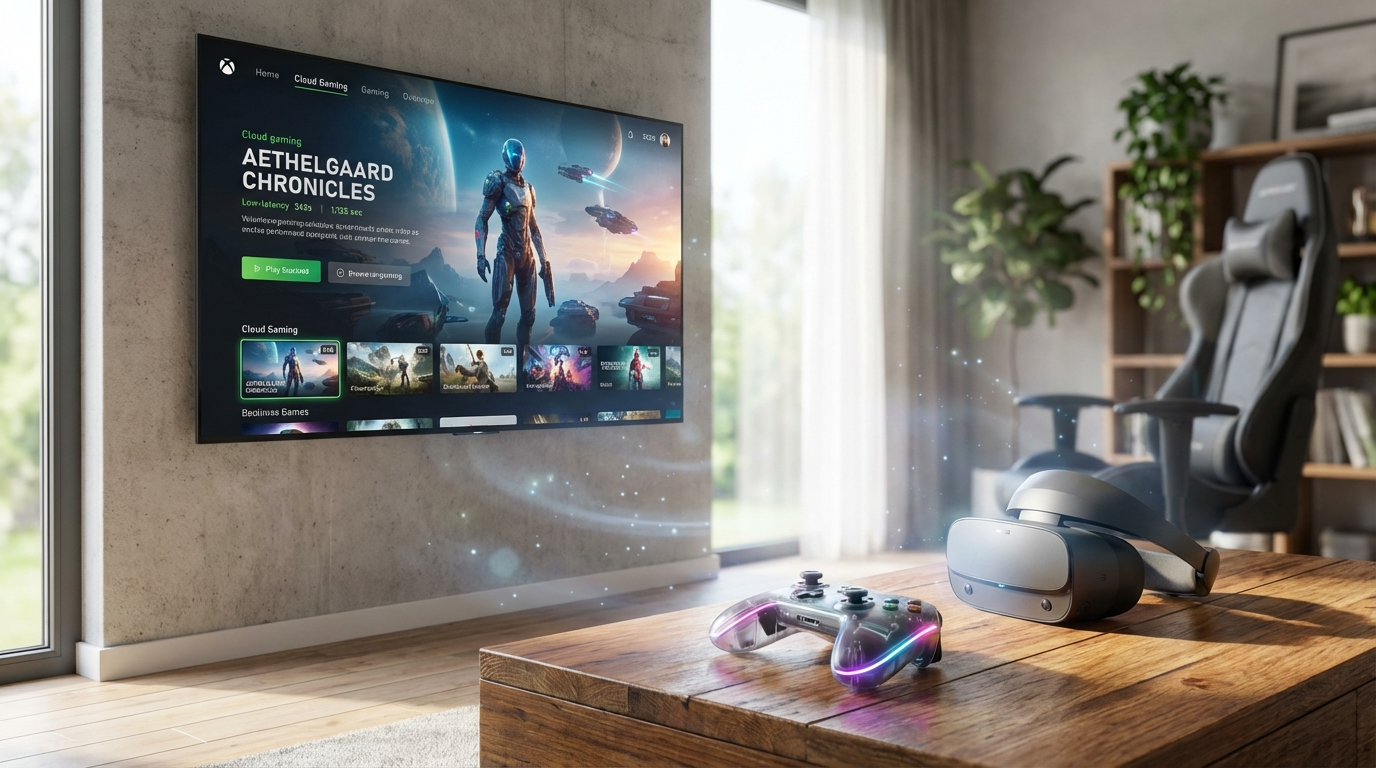
The term cloud gaming 2026 refers to a model where games are stored, processed, and run on remote servers in data centers, then streamed directly to user devices. This eliminates the need for high-end local hardware. By 2026, market forecasts project an unprecedented expansion, driven by 5G networks and growing mobile device accessibility. Cloud infrastructure involves powerful server clusters, low-latency networks, and advanced compression algorithms to deliver smooth experiences.

Cloud Technology Overview
Cloud gaming technology hinges on several essential components: high-performance servers, edge computing nodes close to users, and reliable broadband such as 5G and fiber optics. Server farms house GPUs that render game images in real-time. This cloud infrastructure frees players from device limitations, allowing instant access to AAA titles regardless of their hardware.
For instance, NVIDIA’s Liquid Swords initiative expands cloud gaming through partnerships with Samson, pushing performance and quality in 2026, demonstrating industry investment in robust infrastructure and low latency delivery (source). This evolution addresses traditional gaming hardware constraints.
Benefits and Challenges
- Benefits: Accessibility from any device, immediate game updates, and reduced piracy risks.
- Challenges: Dependence on high-speed internet, latency issues, and data privacy concerns.
- Technical hurdles like server load balancing and energy consumption needing ongoing innovation.
Cloud gaming’s benefits align strongly with gaming technology trends 2026, enabling diverse gamers a seamless experience. Still, infrastructure and policy improvements remain critical to widespread adoption.
AI Innovations Transforming Gaming
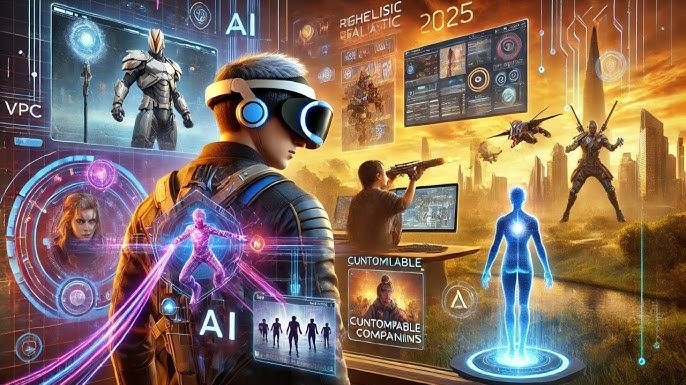
Artificial intelligence is revolutionizing gameplay and development, deeply integrated into cloud gaming 2026 innovations. Advanced AI techniques enhance procedural content generation, making game worlds dynamically expansive. AI-driven non-player character (NPC) behaviors offer challenging, realistic interactions boosting immersion.
Procedural Generation & NPC Behaviors
Procedural content generation (PCG) uses algorithms to create game elements on-the-fly, reducing manual design effort and enhancing replayability. AI NPCs now learn and adapt, offering complex decision-making reflective of human players. Titles like “Middle-earth: Shadow of Mordor” use AI to personalize enemy encounters, a technique expected to be normalized in 2026.
Imagine an AI-powered NPC adapting tactics based on a player’s style in real-time. This advancement enriches gameplay by requiring constant player strategy evolution, showcasing AI’s transformative power in entertainment.
AI in Development Tools
AI tools also speed up game development cycles, from automated testing to asset generation and voice synthesis. Developers employ machine learning models to create realistic animations and physics simulations, drastically reducing production time. For example, AI ticketing systems streamline bug management, akin to systems described here, enhancing workflow efficiency.
These tools lower costs and offer indie creators new opportunities, expanding gaming diversity and innovation.
Frequently Asked Questions
What is cloud gaming 2026 and why is it important?
Cloud gaming 2026 means streaming games from servers to devices with no need for powerful hardware. It leverages 5G and AI to provide seamless, accessible gameplay worldwide. Its importance lies in democratizing gaming and enabling advanced features like AI-driven personalization.
How do AI innovations improve cloud gaming experiences?
AI innovations, such as procedural content generation and adaptive NPCs, make games more immersive and dynamic. They also assist developers in quicker game creation and personalized player experiences.
What are the key challenges facing cloud gaming technology?
High bandwidth needs, network latency, and data security are major hurdles. Ensuring reliable connections and addressing privacy concerns remain priorities for providers.
Which companies are leading in cloud gaming 2026?
Companies like NVIDIA and Samson are investing heavily in cloud gaming infrastructure and AI integration, pushing performance boundaries and expanding service reach.
Can cloud gaming 2026 affect mobile gaming trends?
Yes, cloud gaming amplifies mobile gaming by removing device limitations, allowing high-quality games on smartphones and tablets, transforming how users play on the go.
Conclusion
Exploring cloud gaming 2026 reveals a future where AI and powerful cloud infrastructure redefine gaming accessibility and experience. The synergy between these technologies promises innovative gameplay and development breakthroughs. Stay ahead by embracing these trends and sharing your thoughts on how AI will shape your gaming. For deeper insights into AI, explore our article on how AI works to enhance your knowledge.