
Industry 4.0 Trends : 10 Proven Innovations for 2026
Industry 4.0 trends are reshaping manufacturing at a breakneck pace, driving innovations nobody could predict just a few years ago. Did you know that the Industry 4.0 market is projected to reach USD 238.89 billion in 2026? This explosive growth demands businesses understand the top industry 4.0 trends to remain competitive and future-ready. With the rapid adoption of smart technologies, leaders face the challenge of pinpointing proven innovations that guarantee ROI and tangible operational gains.
This comprehensive guide unveils the 10 most impactful Industry 4.0 trends and innovations for 2026 that industry leaders and engineers must watch. Beyond just buzzwords, we deliver actionable insights, real-world examples, and cutting-edge research to help you harness the power of digital transformation in manufacturing confidently.
Let’s dive into the essential Industry 4.0 trends shaping the future of smart manufacturing and how they can revolutionize your operations.
Table of Contents
Industry 4.0 Trends 2026: Key Technologies
Smart Manufacturing Innovations
The term Industry 4.0 trends encompasses the shift towards digital, interconnected, and intelligent manufacturing systems. In 2026, one of the foremost smart manufacturing trends 2026 is the widespread adoption of autonomous robots and collaborative robots (cobots). These robots perform assembly, quality control, and material handling with precision and flexibility unreachable by humans alone. For example, the automotive industry employs cobots that work alongside workers, enhancing productivity and safety simultaneously.
Another critical innovation is the integration of artificial intelligence (AI) and machine learning in manufacturing processes. AI algorithms analyze big data analytics from sensors and production lines to predict machine failures and optimize workflows—a technique known as predictive maintenance. This approach reduces downtime significantly, saving industries millions annually.
Deloitte’s 2025 Smart Manufacturing Survey highlights that 87% of manufacturers investing in AI-driven Industry 4.0 technologies report improved operational efficiency.
Moreover, increased connectivity via 5G industrial connectivity boosts real-time monitoring systems, enabling instantaneous decisions and greater agility on the factory floor.
Digital Twins and Edge Computing
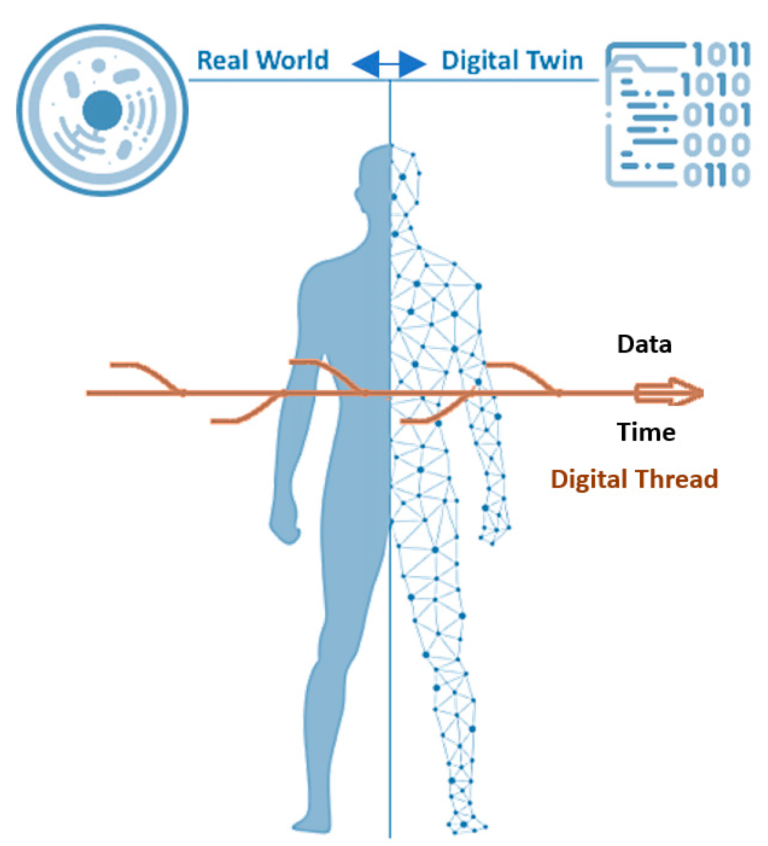
Digital twin technology creates a virtual replica of physical assets or processes, offering manufacturers unparalleled insights into operations. Combined with edge computing, which processes data closer to the source rather than centralized cloud servers, manufacturers achieve low latency and enhanced cybersecurity. This combination reflects core Industry 4.0 trends, transforming traditional factories into smart factories.
For example, Siemens employs digital twins to simulate entire production lines, identifying bottlenecks before physical implementation. Edge computing supports real-time adjustments on the shop floor, especially when network connectivity is limited or security is paramount.
Quantum-resistant cybersecurity is an emerging concern as Industry 4.0 trends evolve. Edge computing paired with advanced encryption algorithms helps safeguard smart factories against future cyber threats, a critical step few competitors address in depth.
Overall, digital twins and edge computing amplify decision-making accuracy, reduce costs, and enhance product customization capabilities, making them indispensable industry 4.0 innovations for 2026.
Sustainability and Industry 4.0: Future Proofing
Quantifiable ROI and Case Studies
As companies adopt Industry 4.0 trends, proving tangible ROI becomes essential for sustained investment. Industry 4.0 innovations like advanced automation and AI integration deliver measurable impacts on production efficiency and energy consumption.
Consider Bosch, which implemented smart factory solutions that reduced energy use by 30% while increasing throughput by 25%. These results showcase how green manufacturing aligns with economic goals. Similarly, HP uses additive manufacturing (3D printing) to minimize material waste, demonstrating sustainable production alongside profitability.
Such case studies prove that sustainability and digital transformation in manufacturing can coexist profitably. According to the World Economic Forum’s Global Lighthouse Network, early adopters of smart, sustainable factories report 20-30% faster time to market.

Industry 5.0 Transition and Workforce Impacts
While Industry 4.0 trends focus on automation and AI, Industry 5.0 introduces human-centric manufacturing, emphasizing collaboration between humans and machines. This transition affects workforce planning and upskilling strategies profoundly.
Companies must address skills gaps in new roles such as digital twin orchestration and ethical AI management. For instance, generative AI manufacturing applications require operators to oversee AI decisions while ensuring ethical standards. A practical example is AI tickets systems, which streamline issue resolution by combining AI insights with human oversight.
Preparing for regulatory compliance, such as the EU AI Act, is another complexity driving Industry 4.0 trends forward. Businesses integrating smart manufacturing technology in regulated markets must stay agile to geopolitical and data privacy challenges.
Ultimately, the Industry 5.0 transition encourages resilience-first factory design with sustainable and ethical production principles, shaping the future workforce landscape.
Frequently Asked Questions
What are the key technologies driving Industry 4.0 in 2026?
Key technologies include AI and machine learning, digital twin technology, edge computing, autonomous robots (cobots), and 5G connectivity. These technologies enable smart, connected, and efficient manufacturing operations.
What is the difference between Industry 4.0 and Industry 5.0?
Industry 4.0 focuses on automation and data exchange, while Industry 5.0 emphasizes human-machine collaboration, ethical AI governance, and resilience-first factory design.
How does Industry 4.0 impact manufacturing operations?
Industry 4.0 trends improve efficiency, reduce downtime, enhance product customization, and enable real-time decision-making in manufacturing processes.
What are real-world examples of Industry 4.0 implementation?
Examples include Bosch’s energy-efficient smart factories, Siemens’ use of digital twins for simulation, and HP’s additive manufacturing for material waste reduction.
What is the future of Industry 4.0 beyond 2026?
The future involves integration with Industry 5.0 principles, increased sustainability, advanced AI ethics, and continuous workforce upskilling to meet evolving technology needs.
How do digital twins work in smart manufacturing?
Digital twins create virtual replicas of physical assets or processes, allowing manufacturers to simulate, monitor, and optimize operations in real time.
What role does AI play in Industry 4.0?
AI supports predictive maintenance, quality control, and workflow optimization, driving efficiency and responsiveness in smart manufacturing.
Conclusion
The top Industry 4.0 trends for 2026 emphasize a blend of cutting-edge technologies and sustainable, human-centered manufacturing approaches. Staying informed on these trends is crucial to leveraging smart manufacturing innovations and securing a competitive advantage through digital transformation in manufacturing.
Embracing these Industry 4.0 trends enables businesses to optimize operations, cut costs, and prepare for the future of manufacturing. We encourage readers to explore our detailed insights on essential SaaS trends for 2026 to expand their technology strategies further.
Comment below to share your experiences with Industry 4.0 innovations, or share this article with colleagues to spur discussion. Stay ahead by trying out recommended smart technologies for your factory today.