AI in gaming: 7 Hard Truths Behind the Developer Backlash
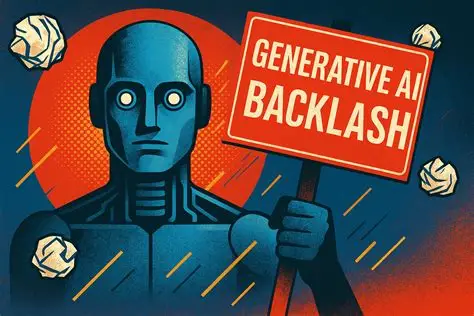
AI in gaming has become the most divisive subject the industry has faced in years. The same technology that executives keep calling inevitable is the one that more than half of the developers building games now say is actively hurting their craft. In June 2026, Sega drew a fan revolt over an AI-assisted Crazy Taxi, and that was just the latest flashpoint in a fight that keeps escalating.
This is not a simple story of progress versus fear. It is a clash between speed and craft, between boardrooms and the people at the keyboards, and the data shows just how wide that gap has grown.

Why AI in gaming sparked a revolt
The friction is not really about the technology working or failing. It is about who benefits and who pays. Studios see a way to cut costs and ship faster. Many of the artists, writers, and programmers who actually make games see a threat to their livelihoods and to the handmade quality that players prize. When those two views collide on a public storefront, the result is the backlash that has defined the past year.
A backlash measured in numbers
The mood shift is documented, not anecdotal. According to the Game Developers Conference annual industry survey, 52 percent of developers now believe generative AI is having a negative effect on the industry, a steep climb from 30 percent just a year earlier, while only 7 percent call its impact positive. Opposition is fiercest among the people closest to the craft: roughly 64 percent of visual and technical artists, 63 percent of designers, and 59 percent of programmers push back against corporate AI mandates over fears about job security and artistic integrity. The same report paints a grim picture of morale, with only about 20 percent of developers describing their mental health as good and a striking 94 percent reporting at least one symptom of burnout. Numbers like these explain why a single AI announcement can light up social media within minutes.
The flashpoints fans remember
Each controversy adds fuel. Sega’s decision to use generative AI in Crazy Taxi: World Tour triggered an immediate backlash from fans wary of the technology. Months earlier, Nvidia unveiled DLSS 5 with a reel of photorealistically altered versions of characters from games like Resident Evil Requiem, and players recoiled at the idea of software reshaping art the original creators made. Even games that leaned on AI quietly felt the heat: the 2025 hit Arc Raiders used AI-generated voices and later replaced many of them with human performers after criticism. The pattern is consistent. When players sense a machine has touched the parts of a game meant to carry a human fingerprint, they react fast and loudly.
Jobs, RAM, and the real fear
Underneath the art debate sits a harder economic one. The industry has weathered waves of studio closures and layoffs since the pandemic boom faded, and those cuts have fallen hardest on junior staff, the very pipeline that trains the next generation. Writers and reporting at Wired have described how AI is accelerating that job loss while cheapening the work that remains. There is even a hardware dimension, nicknamed “RAMaggedon,” as the memory and chips that AI data centers devour drive up prices for the components gamers and developers depend on. Add unresolved questions about training data scraped without permission, and the resistance starts to look less like technophobia and more like self-defense.
Players say they can feel the difference between a world someone built and a world a model assembled. That instinct, more than any policy, is driving the revolt.
Where the industry goes from here
For all the heat, the conversation is maturing from a shouting match into something closer to a framework. Storefronts are setting rules, studios are stating positions, and a rough consensus is forming about where the technology helps and where it does real damage.
Two camps, one argument
The split runs straight through the industry’s leadership. Epic Games chief Tim Sweeney has argued the tools exist to empower human creators rather than replace them, calling that a good thing, and Bethesda’s Todd Howard has described AI as a potentially useful instrument. On the other side stand many of the people doing the work, including one developer who told PC Gamer they would rather quit the industry than use generative AI. Several studios have picked a lane in public. Larian said it would refrain from generative AI after community pushback, and Capcom drew a careful line, pledging not to ship AI-generated assets in its games while still using AI to boost internal efficiency.
Steam draws a line
The most consequential referee so far is Valve. In January 2026, Steam rewrote its AI disclosure policy to separate two things that had been lumped together. Efficiency tools used behind the scenes, such as coding assistants, no longer require disclosure, while any generative content that ships to players and is consumed by them still must be labeled on the store page. Live-generated AI, the kind that creates dialogue on the fly, now demands documented guardrails and comes with a player report button for illegal output. The transparency wave is already visible in the numbers, with disclosures jumping from roughly 1,000 across all of 2024 to about 8,000 in the first half of 2025 alone.
What responsible use looks like
A practical middle ground is emerging from studios that have navigated the backlash without torching player trust. The recurring advice is to be more transparent than the rules demand, and to frame AI as a means to a human end rather than a replacement for one. Teams that explain they used assistants to prototype systems faster so they could pour more time into handcrafted design tend to land well. The reason is simple. AI is good at producing individual assets and weak at creative coherence, so the things that still set a game apart, a consistent art direction and the feel of play, remain stubbornly human.
The hardest problem facing executives is not finding a faster model. It is repairing the financial and human foundation the workforce stands on.
Frequently Asked Questions
What is the controversy over AI in gaming?
The controversy centers on generative tools that create art, writing, voices, and code. Executives see faster, cheaper production, while many developers and players see threats to jobs, artistic integrity, and the handmade quality of games. Surveys show developer sentiment has turned sharply negative, fueling public backlash whenever studios reveal AI use.
Do players have to be told if a game uses AI?
On Steam, yes, when it matters to players. Valve’s 2026 policy requires developers to disclose generative AI content that ships in the game or its marketing and is seen or heard by players. Behind-the-scenes efficiency tools like coding assistants are exempt. Live-generating AI also requires documented safety guardrails.
Will generative AI replace game developers?
Most evidence suggests augmentation rather than wholesale replacement, at least for now. AI handles individual assets well but struggles with creative coherence, the consistent art direction and gameplay feel that define a memorable title. The bigger near-term risk is fewer entry-level roles, which threatens the pipeline that trains future developers.
Conclusion
AI in gaming is not a debate that resolves cleanly, because both sides are partly right. The technology genuinely speeds up tedious work, and it genuinely endangers jobs and the craft players love. What happens next depends less on how powerful the models get and more on whether studios rebuild trust with their teams and their audiences. Elon Musk has promised an AI-generated game before the end of 2026, and live-generating characters are the next frontier, so the questions will only get sharper. If you make or play games, the smart move is the same: watch for disclosure, reward studios that stay transparent, and judge every title by whether it still feels made by people.